The information on this website is general in nature and does not take into account your objectives, financial situation, or needs. Consider seeking personal advice from a licensed adviser before acting on any information.
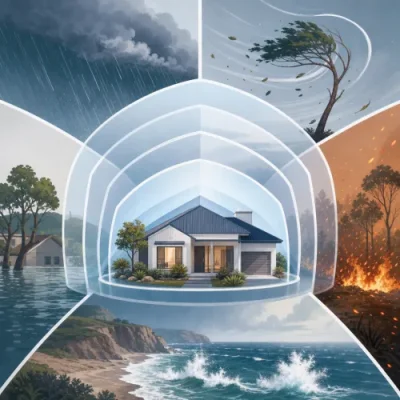
Natural hazard cover can vary significantly between Australian home and contents insurance policies. This guide explains how insurers commonly treat flood, storm, bushfire, cyclone, storm surge, actions of the sea and related events so you can read policy wording with more confidence.
Natural hazards are one of the most important areas to understand when comparing home and contents insurance in Australia. A policy may cover some weather-related events automatically, offer others as optional extras, or exclude certain types of damage altogether.
The details matter. Two policies may both mention "storm" or "flood", but the definitions, exclusions, excesses, waiting periods and claim conditions can differ. This article explains how Australian home insurance policies commonly define and treat natural hazard events such as flood, storm, bushfire, cyclone damage, storm surge, actions of the sea and related risks.
This is general information only. Always read the Product Disclosure Statement, policy schedule and any insurer notices for the policy you are considering or already hold.
Why natural hazard definitions matter
Home insurance is usually built around insured events. If the damage fits within an insured event and is not excluded or limited, the policy may respond. If the damage falls outside the definition, or an exclusion applies, a claim may be reduced or declined.
For example, water entering a home after heavy rain may be treated differently depending on whether it is classified as stormwater runoff, floodwater from a river, storm surge, sea action, drainage failure or gradual seepage. The label used in the policy can affect whether there is cover.
When comparing policies through Household Insurance Online, it can help to look beyond the premium and compare how each policy defines the natural hazards most relevant to your property's location.
Flood cover in home insurance in Australia
Flood is one of the most important terms to check carefully. In Australia, home insurance policies that refer to flood generally use a standard definition. In simple terms, flood usually means the covering of normally dry land by water that has escaped or been released from the normal confines of a natural watercourse or certain water storage structures, such as a river, creek, lake, reservoir, canal or dam.
Flood cover home insurance in Australia may be:
- included as standard in the policy;
- offered as an optional extra for an additional premium;
- subject to a higher excess or special conditions; or
- not offered by a particular insurer for some properties, depending on underwriting criteria.
Flood cover may apply to building insurance, contents insurance, or both, depending on what you buy. Homeowners usually need building cover to protect the structure of the home, while renters generally consider contents cover for their belongings. A combined home and contents policy may cover both, subject to the policy terms.
Do not assume that "water damage" automatically means flood is covered. Burst pipes, rainwater entering through storm damage and riverine flood can be treated as separate insured events.
Storm damage insurance: rain, wind, hail and runoff
Storm damage insurance is often included in Australian home and contents policies, but the policy definition should still be checked. A storm may include heavy rain, strong wind, hail, lightning or a combination of severe weather conditions. Some policies also describe stormwater runoff separately from flood.
Common examples that may fall under storm cover include:
- roof damage caused by strong winds;
- hail damage to roofing, skylights or external structures;
- rain entering the home through an opening created by storm damage;
- damage caused by fallen trees or branches during a storm; and
- some types of surface water runoff after heavy rain, depending on the wording.
However, storm cover often has conditions. Insurers may look at whether the property was reasonably maintained. Claims can become more difficult if damage is linked to rusted roofing, blocked gutters, deteriorated seals, poor drainage, defective workmanship or long-term water ingress rather than a sudden storm event.
There may also be exclusions for outdoor items, retaining walls, fences, gates, jetties, landscaping, pools or shade sails unless the policy specifically covers them. Limits can vary widely.
Bushfire home insurance: fire, smoke and evacuation-related costs
Bushfire home insurance is usually considered under fire cover, but the practical treatment of claims depends on the policy. Fire cover may include damage caused by flames, heat, smoke or soot. Some policies may also include costs such as temporary accommodation if the insured home cannot be lived in after an insured event.
Important points to check include:
- whether building, contents or both are insured;
- whether outbuildings, sheds, fences or landscaping are covered and to what limit;
- whether temporary accommodation is included and for how long;
- whether debris removal, demolition and professional fees are included within the sum insured or as an additional benefit; and
- whether a bushfire, grassfire or emergency warning affects policy start dates or coverage for new policies.
Some insurers apply embargoes or waiting periods when a natural hazard is imminent or already occurring. This means a newly purchased or amended policy may not respond to a known or very likely event. The rules can differ by insurer and circumstance.
Cyclone insurance in Australia
Cyclone insurance Australia is particularly relevant in northern and coastal regions, but cyclone-related damage can involve several different types of loss. A policy may treat wind, rain, flood, storm surge and sea action differently, even when they occur during the same weather system.
Cyclone cover may include damage from destructive winds and rain if storm or cyclone is an insured event. However, additional issues can arise if the damage is caused by:
- floodwater from overflowing rivers or creeks;
- storm surge pushed inland from the ocean;
- actions of the sea, such as tidal movement or coastal inundation;
- erosion or landslip following heavy rain; or
- pre-existing building defects that allowed water to enter.
In cyclone-prone areas, insurers may also consider roof type, building age, construction standard, location, elevation, proximity to the coast and claims history when pricing or offering cover. Premiums, excesses and availability depend on insurer criteria and the individual property.
Storm surge and actions of the sea insurance
Storm surge and actions of the sea are often confused with flood or storm damage, but they may be treated differently. This is a key area of natural disaster home insurance because coastal water damage can be significant and policy wording can be strict.
Actions of the sea insurance generally refers to damage caused by the sea, such as high tides, king tides, coastal waves, ocean movement or coastal inundation. Many home insurance policies exclude actions of the sea, although exact wording varies.
Storm surge is commonly understood as a rise in sea level associated with a storm, cyclone or severe weather system. Some policies exclude storm surge entirely, while others may only cover it if it happens at the same time as a covered storm or flood event. The timing and cause of the water damage can therefore become important in a claim.
If you live near the coast, a river mouth, estuary or low-lying tidal area, check the policy's definitions for flood, storm surge, tsunami, actions of the sea and erosion. These terms are not always interchangeable.
Other natural hazards: landslip, erosion, earthquake and tsunami
Natural hazard cover can extend beyond the better-known events of flood, storm, bushfire and cyclone. Depending on the policy, you may also need to consider how the insurer treats the following risks.
| Event | How policies may commonly treat it | What to check |
|---|
| Landslip or landslide | May be excluded, limited or only covered if directly caused by another insured event, such as storm or earthquake. | Check whether retaining walls, driveways, foundations and earth movement are covered. |
| Erosion | Often excluded where it is gradual, coastal or related to soil movement over time. | Check wording for gradual deterioration, earth movement and sea-related exclusions. |
| Earthquake | May be included, but often with a specific excess and a required time connection between the event and damage. | Check the earthquake excess, time limits and whether contents are included. |
| Tsunami | May be treated separately from storm surge or actions of the sea, depending on the insurer. | Check whether tsunami is listed as an insured event or exclusion. |
| Lightning | Often included under storm or fire-related insured events. | Check cover for power surge damage to appliances and electronics. |
The way these events are grouped can differ. A policy may appear broad at first glance but still contain exclusions for specific forms of earth movement, sea movement or gradual damage.
Building cover, contents cover and combined policies
Natural hazard cover depends not only on the event, but also on what is insured. Building insurance and contents insurance protect different things.
- Building insurance generally relates to the home structure and permanent fixtures, such as walls, roof, floors, built-in cabinetry and some fixed services.
- Contents insurance generally relates to belongings inside the home, such as furniture, appliances, clothing and personal items.
- Combined home and contents insurance packages both types of cover, but each part may still have its own limits and exclusions.
After a severe natural hazard event, rebuilding and replacing contents can cost more than expected. Before choosing a sum insured, you may find it useful to review your estimated building and contents values using the site's insurance calculators. Any estimate should be checked against your own circumstances and, where needed, professional advice.
Common exclusions and limitations to watch for
Natural hazard claims are often affected by exclusions and policy conditions. Common areas to check include:
- Wear and tear: gradual deterioration, rust, rot, mould or corrosion may be excluded.
- Poor maintenance: damage linked to blocked gutters, unrepaired roof damage or inadequate drainage may not be treated the same as sudden storm damage.
- Defective building work: faulty design, poor workmanship or non-compliant repairs may limit cover.
- Known events: new policies or increases in cover may not apply to events that were already occurring or publicly known.
- Outdoor property: fences, gates, retaining walls, jetties, pontoons, driveways, gardens and trees may have limited or no cover.
- Temporary accommodation: cover may be capped by time, dollar amount or percentage of the sum insured.
- Special excesses: flood, cyclone, earthquake or other hazards may have a different excess from standard claims.
These limitations do not mean a policy is unsuitable. They mean you need to understand what is being offered and decide whether it matches the risks you are trying to manage.
Questions to ask when comparing natural disaster home insurance
When reviewing policy documents or requesting home insurance quotes, consider asking practical questions such as:
- Is flood included automatically, optional, or not available for this address?
- How does the policy define storm, flood, storm surge and actions of the sea?
- Are bushfire, grassfire, smoke and ember damage covered?
- Is cyclone damage covered, and are there special conditions or excesses?
- Are fences, retaining walls, garages, sheds, pools or solar panels covered?
- Does the policy include temporary accommodation after an insured event?
- Are debris removal, demolition, architect fees and rebuilding compliance costs included?
- Are there waiting periods or embargoes for new cover or policy changes?
- What maintenance obligations apply before and after a severe weather event?
If you are unsure how to interpret policy wording, you may wish to speak with an insurer directly or seek help from an insurance professional. The site's brokers page may be a useful starting point if you want assistance understanding options, noting that availability and recommendations depend on your circumstances and provider criteria.
What to do before and after a natural hazard event
This article focuses on policy definitions rather than storm preparation, but a few insurance-related steps are worth noting.
Before an event, keep your policy documents accessible, photograph valuable belongings, update your contents inventory and check whether your sum insured still reflects current rebuilding and replacement costs. If your property has changed through renovations, new purchases or altered occupancy, review the policy.
After an event, take reasonable steps to prevent further damage if it is safe to do so. Keep receipts for urgent repairs, take photos or videos before cleaning up, and contact your insurer before authorising major repairs. Do not dispose of damaged items unless your insurer agrees or safety requires it.
If a claim involves multiple causes, such as cyclone wind plus floodwater or storm surge, the insurer may need to assess which insured event caused the damage. Clear records can help support the claim process.
Key takeaways
Australian home insurance policies commonly cover some natural hazards, but the details vary. Flood, storm, bushfire, cyclone, storm surge, actions of the sea, landslip and erosion can each be defined and treated differently.
The most important step is to read the policy wording carefully and compare the definitions, exclusions, excesses and limits that apply to your location. A lower premium may not provide the level of natural hazard cover you expect, while a more expensive policy is not automatically the right fit. The appropriate policy depends on your property, belongings, risk exposure, budget and insurer criteria.
Natural hazard cover is not just about whether a policy mentions disasters. It is about how the policy responds when a specific type of damage occurs.
Published: Saturday, 8th Aug 2026
Author: Paige Estritori




No comments yet. Be the first to share your thoughts.